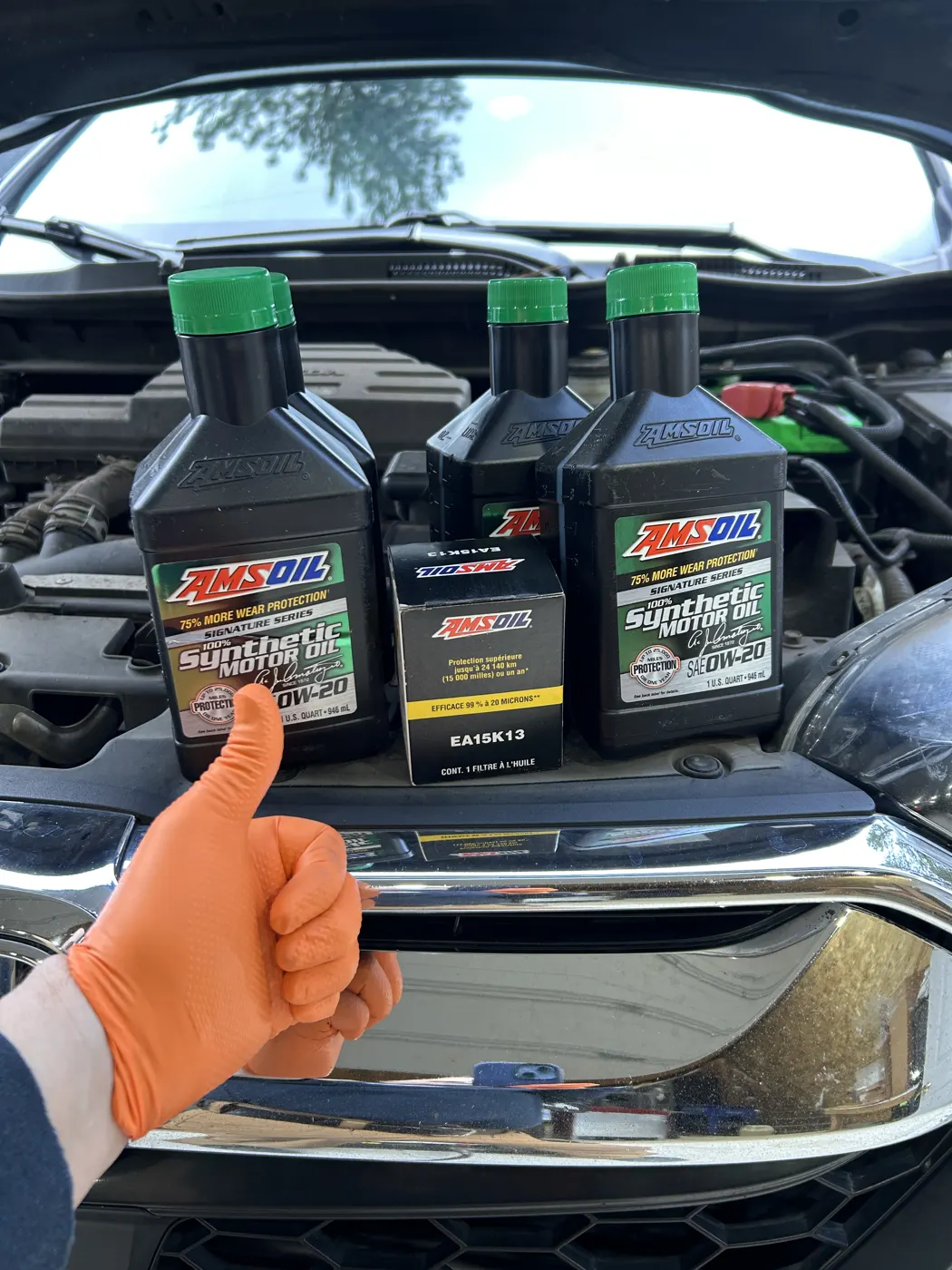
Fall & Winter Diesel Maintenance in Central Oregon: Don't Let the Cold Find Your Weak Spots
 Mark Ossinger
Independent AMSOIL Dealer · Sisters, Oregon
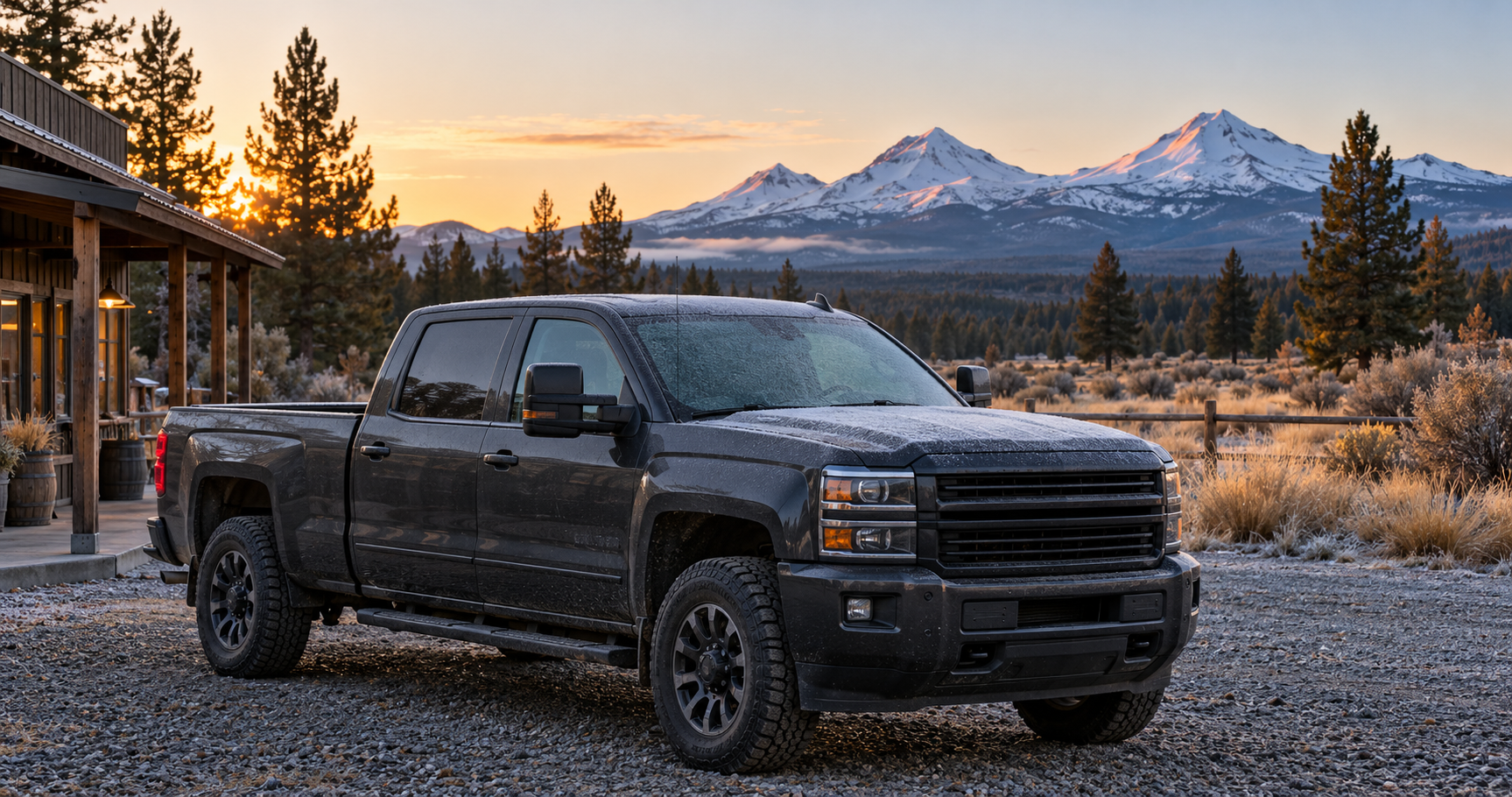
The short answer: Before the first hard freeze, verify the correct diesel-oil viscosity, winter fuel strategy, battery health, coolant protection, and fuel-filter service schedule. Follow your truck's owner's manual and choose products for your actual driving conditions.
A practical cold-weather checklist for diesel truck owners in Sisters, Bend, Redmond, and across the high desert.
Winter doesn’t break a diesel truck all at once. It finds the one thing you put off—the battery that was fine in September, the fuel filter you meant to change, or the oil that isn’t suited to a 20-degree morning. And it usually finds that weak spot at 6 a.m., when you’ve got somewhere to be.
If you run a diesel in Central Oregon, you know those mornings are coming. A little attention now beats a no-start later. Here’s the fall checklist that matters.
Why Central Oregon winters deserve a plan
A truck can spend a freezing night in Sisters, head to a job in Bend before sunrise, then tow a trailer over Santiam Pass the next day. Conditions change quickly between the high desert, mountain passes, and higher-elevation work sites. Whether you’re hauling equipment in Redmond, working near Prineville, or pulling a fifth-wheel out of town, reliable cold starts are about more than convenience.
Not every truck needs the same products or maintenance schedule. Your owner’s manual, engine specification, fuel source, and actual operating temperatures should guide the choices.
1. Engine oil: give cold starts some thought
Cold starts put extra demands on engine lubrication. As temperatures fall, oil becomes more resistant to flow, and the engine needs the correct viscosity to circulate lubricant promptly to critical parts such as bearings and the turbocharger.
Before winter, check your manufacturer’s approved viscosity grades and required diesel-oil performance specifications. Don’t assume you need to switch grades just because the calendar says November; some engines use the same approved multigrade oil year-round. Others offer different recommendations for different temperature ranges.
Full-synthetic diesel oils are worth considering because well-formulated synthetics can offer excellent low-temperature performance. AMSOIL Signature Series Max-Duty Synthetic Diesel Oil is one option, provided the particular grade meets your engine manufacturer’s requirements. If your oil change is due, fall is a smart time to take care of it. And don’t forget the oil filter.
2. Diesel fuel: treat cold-flow problems before they happen
Diesel fuel naturally contains paraffin wax. When the temperature drops sufficiently, wax crystals can form and restrict the fuel filter. The engine may lose power, stall, or fail to start. The temperature at which trouble develops varies with the fuel blend and conditions.
Start with seasonally appropriate diesel from a dependable supplier, and don’t assume every tank has the same winter characteristics. If your situation calls for an anti-gel additive, add it before the fuel gets too cold and follow the product’s directions for dosage and mixing. Preventive additives work differently from emergency treatments for fuel that has already gelled.
Two products worth discussing are AMSOIL Diesel All-In-One, a multi-function diesel fuel additive, and AMSOIL Diesel Cold Flow, a dedicated cold-flow treatment. Their intended uses and treatment rates differ, so check the current product labels rather than assuming one is always the stronger or better choice. Neither replaces the need for suitable winter fuel or manufacturer guidance.
Modern diesel fuel systems also depend on adequate fuel lubricity. Use only additives approved for your engine and emissions system, and avoid home-brew fuel mixtures.
3. Batteries and starting systems: test before you trust
Cold weather reduces a battery’s available cranking output at the same time the engine becomes harder to turn. A battery that seemed fine after Labor Day may reveal its age in December.
Have the battery—or both batteries, if your heavy-duty pickup has a dual-battery system—tested under load. Inspect terminals, cables, grounds, and charging-system performance. If one battery in a paired system is weak, ask a qualified technician to evaluate the set and recommend the proper replacement approach.
Diesel starting aids matter, too. Depending on your engine, that may mean glow plugs or an intake-air heating system. Extended cranking, rough cold starts, or white exhaust smoke can warrant diagnosis, though those symptoms are not proof of a specific failure. Fix the underlying issue before it turns into a roadside problem.
4. Coolant, block heaters, and fuel filters
Check the cooling system’s freeze protection, coolant condition, and manufacturer-required coolant type—not just the level in the reservoir. Inspect hoses and look for evidence of leaks. Some diesel engines also have specific coolant testing or additive requirements.
If your truck has an engine block heater, check that it operates safely before the cold arrives. Use it according to the owner’s manual, including any temperature recommendations and electrical precautions. A properly working heater can make cold-weather starting easier.
Review the fuel-filter service interval and replace the filter if it’s due, contaminated, or of uncertain age. A new filter won’t prevent wax crystals from forming, but a neglected or restricted filter can compound cold-weather fuel trouble. If your truck has a fuel-water separator, inspect and drain it as the manufacturer directs.
5. The rest of the truck still counts
Even a diesel that starts perfectly isn’t winter-ready if the tires, visibility, or basic safety equipment aren’t up to the job.
- Tires: Check tread, pressure, age, and the traction requirements for the roads and mountain passes you use.
- Wipers and washer fluid: Replace streaking blades and use fluid rated for freezing temperatures.
- Belts, hoses, and air intake: Inspect for wear, damage, loose connections, and restrictions.
- Emergency gear: Carry suitable warm clothing, a flashlight, traction equipment where needed, and supplies appropriate for your route.
If you tow, inspect the trailer tires, electrical connections, and braking equipment as well. The first winter trip over the Cascades isn’t the time to discover a problem.
The short version
Check the correct engine oil, plan for winter fuel, test the starting system, confirm coolant protection, and stay on top of fuel-filter maintenance before the first hard freeze. Nothing on this list is glamorous. That’s the point. The best cold-weather breakdown is the one that never happens.
Frequently asked questions
What oil viscosity should I use in my diesel truck during a Central Oregon winter?
Use a viscosity and diesel-oil specification approved for your particular engine and expected temperatures. Full-synthetic oil may improve low-temperature flow, but not every truck needs a different winter grade. Check the owner’s manual before changing viscosity.
What causes diesel fuel to gel, and how can I prevent it?
At low temperatures, wax crystals in diesel fuel can restrict the fuel filter and interrupt fuel delivery. Use suitable winter-blended fuel, maintain the fuel system, and apply a compatible preventive anti-gel product before temperatures drop, following its label instructions.
What’s the difference between AMSOIL Diesel All-In-One and Diesel Cold Flow?
Diesel All-In-One is positioned as a multi-function treatment, while Diesel Cold Flow specifically targets low-temperature fuel-flow concerns. Which to use depends on the fuel, conditions, engine requirements, and current product instructions. Ask us to help compare the options for your truck.
How can I tell whether my diesel batteries are winter-ready?
Have the battery or dual-battery system load-tested and inspect cable connections and charging performance. A weak battery can struggle in cold weather even if the truck started normally during summer.
When should I use my engine block heater?
Follow the truck manufacturer’s temperature and usage guidance. Test the heater and its electrical connection before winter, and use a properly rated outlet and cord when applicable.
Should I replace my diesel fuel filter before winter?
Replace it if it’s due under your manufacturer’s maintenance schedule, shows restriction or contamination, or has an uncertain service history. Also check any fuel-water separator as directed. A fresh filter is good maintenance, but it doesn’t replace proper winter fuel practices.
Do diesel trucks in Central Oregon need anti-gel treatment?
Not every tank or every truck needs an additive. The decision depends on the fuel’s seasonal blend, the lowest temperatures you expect, where the vehicle is parked, and the engine maker’s recommendations. If you’re unsure, get advice before a cold snap arrives.
Get ahead of winter before winter gets ahead of you
If you’re not sure which diesel oil, fuel treatment, or cold-weather maintenance product fits your truck, we’d be glad to help. Tell us what you drive, how you use it, and where winter takes you. We’ll help narrow the choices without making the job more complicated than it needs to be.
At High Desert Synthetics, we’re automotive and diesel enthusiasts ourselves. We know a truck isn’t always just transportation—it may be the thing that gets you to work, moves your equipment, or pulls your trailer home.
We’re based in Sisters and help drivers throughout Central Oregon. Explore the diesel lineup at ossingersnw.com or reach out for product guidance and local pickup availability.
We’d rather help you get ready in October than hear about a no-start in January.
About the author: Mark Ossinger owns High Desert Synthetics, an independent AMSOIL dealership in Sisters, Oregon. A factory-trained BMW and Mercedes-Benz technician and former BMW dealership shop foreman, Mark brings decades of hands-on automotive experience to product guidance. His business, Ossinger’s NW Enterprises, was established in 2006.
Posted by Mark Ossinger, Independent AMSOIL Dealer, High Desert Synthetics, Sisters, Oregon. Verify manufacturer specifications and current AMSOIL product directions for your application.